Home Energy · Costs · Smart Home
Home › Cost Guides · Heating › New Boiler Cost in 2026: What UK Homes Actually Pay (By Boiler Type and House Size)
Cost Guides, Heating

New Boiler Cost in 2026: What UK Homes Actually Pay (By Boiler Type and House Size)

A new boiler in the UK costs between £1,800 and £4,500 fully installed for most homes, with prices checked in October 2026. A straightforward combi swap, where the new boiler goes in the same spot as the old one, often lands between £1,900 and £2,800. Bigger homes, system boilers and conversions cost more. The Energy Saving Trust puts a typical A-rated replacement, fitted with new radiator valves, at around £3,700. Here is what homes like yours actually pay, and what moves the price up or down.
New Boiler Cost in 2026: What UK Homes Actually Pay (By Boiler Type and House Size)

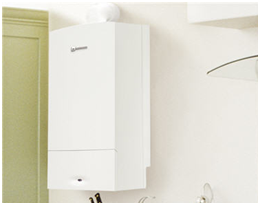
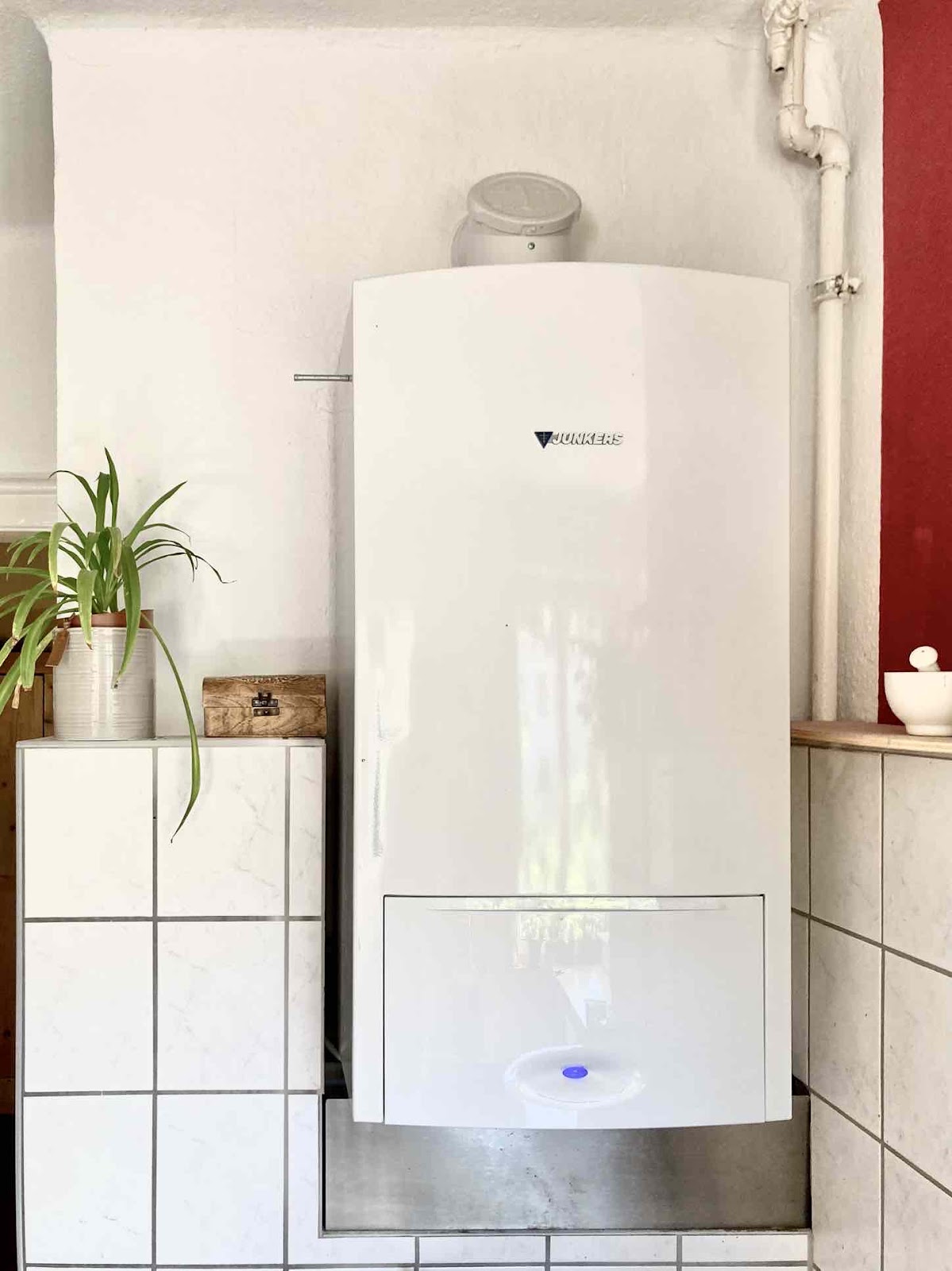
Photo: Kai Kemmann, CC BY-SA 4.0

New boiler cost by type

The type of boiler is the biggest single factor in the price. Combi boilers are the cheapest to buy and fit because they heat water on demand and need no cylinder or tank. System and regular boilers cost more because they work with a separate hot water cylinder, and regular boilers also keep a cold water tank, usually in the loft. The table below shows supply only prices for the unit itself, plus typical fitted prices for a like-for-like replacement.

Boiler typeUnit onlyTypical installed cost
Combi£600 to £2,500£1,800 to £3,500
System£800 to £2,850£2,500 to £4,500
Regular (heat only)£450 to £1,750£2,500 to £4,000

Checkatrade figures quoted by Uswitch allow a wider spread, up to £6,000 for a combi, which covers large premium models and difficult jobs. At the other end, online fixed price installers advertise combi boilers from around £1,790 fitted. Most households end up somewhere in the middle.

What a new boiler costs by house size

House size decides how powerful the boiler needs to be, measured in kilowatts (kW). More bedrooms and bathrooms mean a bigger boiler, more pipework and longer on site. These are typical fitted prices for a like-for-like swap in the same position.

HomeUsual boilerTypical installed cost
1 to 2 bed flatCombi, 24 to 28 kW£1,800 to £2,800
3 bed semiCombi, 28 to 35 kW£2,300 to £4,000
4 to 5 bed detachedSystem, 25 to 35 kW£3,500 to £7,000

London and the South East sit at the top of these ranges. Labour there can run 10 to 25 percent higher than in the Midlands or the North, and a large detached home in London is the most expensive combination of all.

What is included in the installation price

A proper quote covers more than the box on the wall. Standard fixed price installations from the big online installers normally include:

  • The new boiler and its flue kit
  • Removal and recycling of your old boiler
  • Standard pipework, fittings and making good
  • A chemical flush to clean the system before start up
  • A magnetic filter to protect the new boiler
  • Basic heating controls, such as a programmable thermostat
  • Commissioning, Gas Safe paperwork and warranty registration

One thing that is often not included is a full powerflush. Many quotes include the gentler chemical flush instead, so check which one you are actually getting before you compare prices.

Extras that push the price up

These are the add-ons that most often explain why one quote comes in hundreds of pounds higher than another for the same boiler.

ExtraTypical extra cost
Moving the boiler to a different room£400 to £1,200
Converting from a regular or system boiler to a combiAdds £800 to £2,000
Full powerflush of an old, dirty system£300 to £500
Magnetic filter, if not already included£100 to £200
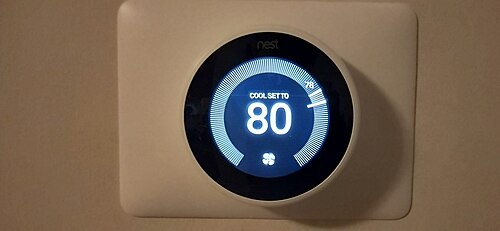
Smart thermostat (Hive, Nest or Tado), supplied and fitted£175 to £300

How long does a boiler installation take

A like-for-like swap is usually done in a single day. BOXT lists one day for a straight swap of the same boiler type, British Gas allows one to two days for a combi installation, and HomeServe puts a straightforward swap at around six to eight hours. Changing boiler type, for example from a regular boiler with tanks to a combi, takes about two days, and up to three if the pipework needs a lot of changes. Moving the boiler to a new room adds roughly half a day.

What a boiler service costs afterwards

Budget for an annual service once the boiler is in. A one off service for a gas boiler costs £80 to £120, with an average of around £100 according to Checkatrade, and it takes 30 to 60 minutes. Which? puts the typical range slightly lower, at £70 to £110. The service is not only about safety: most manufacturers keep the warranty valid only if the boiler is serviced every year.

Can you get a grant for a new gas boiler

For most households, no. The Boiler Upgrade Scheme, the main heating grant in England and Wales, pays £7,500 towards a heat pump and £5,000 towards a biomass boiler in rural off-gas areas, but it cannot be used for a new gas boiler. The one real exception is ECO4. Under ECO4, households on qualifying benefits, or with a household income under £31,000 through a local authority referral, can get a free replacement boiler if the home has an EPC rating of D to G and the old boiler is inefficient or broken. ECO4 covers Great Britain and is due to close on 31 December 2026, so check your eligibility before you pay for anything.

How to cut the cost of a new boiler

  • Get at least three fixed, itemised quotes, including one from an online fixed price installer and one from a local Gas Safe engineer.
  • Keep the boiler in the same place. A like-for-like swap is the cheapest job there is.
  • Keep a hot water cylinder that still works. Replacing a sound cylinder adds hundreds of pounds for no real benefit.
  • Look at mid range brands as well as the famous names. Units from ranges such as Ideal Logic often cost several hundred pounds less than premium models, and still carry long warranties.
  • Book in summer if the old boiler can wait. Engineers are quieter outside the winter rush and keener on price.
  • Check ECO4 first. If you qualify, the replacement could be free.

New boiler cost FAQs

How much does a new boiler cost?

For most UK homes, between £1,800 and £4,500 fully installed. A simple combi swap is usually £1,900 to £2,800, while large detached homes with a system boiler can pay £3,500 to £7,000.

How much does a new boiler cost with installation?

The prices in this guide already include installation. Bought on its own, the boiler unit costs £600 to £2,500 depending on type and brand. Fitting commonly comes to around £1,500 on average according to Checkatrade's cost calculator, which is why the installed total is so much higher than the unit price.

How long does it take to fit a new boiler?

One day for a like-for-like swap. Allow two to three days if you are changing boiler type or moving the boiler to a different room.

Is a combi boiler cheaper than a system boiler?

Yes, in most cases. A combi needs no cylinder or tank, so it is cheaper to buy and quicker to fit. Heatable's starting prices show the gap: combi boilers from £1,975 fitted, system boilers from £2,445 fitted.

Can I get a grant for a new gas boiler?

There is no general grant for a gas boiler. The Boiler Upgrade Scheme only funds heat pumps and some biomass boilers. Low income households may qualify for a free boiler under ECO4, which runs until the end of 2026.

If your quotes are landing well above these ranges, it is worth asking whether a boiler is the right buy at all. Our guide to heat pump costs in the US, UK and Germany shows what the low carbon alternative costs in 2026, and our 10 year comparison of a new boiler versus a heat pump works out which one is cheaper over time. Staying with gas? Our ranking of the cheapest way to heat a home will help you keep the running costs down.
H
HomeBillGuide Research Team

We compare official price data from the US, UK and EU, and check every figure against at least two sources before we publish. Prices are researched estimates, so always get local quotes before you hire.

Planning an upgrade?

Check the real cost first, then get at least three quotes. Our cost guides are updated whenever prices change.

Browse Cost Guides
Home › Calculators & Checklists · Energy Saving · Heating › Heating Cost Calculator: Compare What Each Fuel Costs Your Home (UK, US, Germany)
Calculators & Checklists, Energy Saving, Heating

Heating Cost Calculator: Compare What Each Fuel Costs Your Home (UK, US, Germany)

Every heating comparison you read online uses somebody else's house. This page works the other way round: it gives you the price of heat itself in the UK, the US and Germany, from official unit prices, so you can calculate what each fuel would cost in your home, with your usage. All you need is last year's energy bill.

Heating Cost Calculator: Compare What Each Fuel Costs Your Home (UK, US, Germany)

Photo: Asurnipal, via Wikimedia Commons (CC BY-SA 4.0)

The one idea behind the calculator: fuels are sold in different units, but your home needs one thing, heat, measured in kWh. Divide each fuel's price by how much heat it actually delivers, after efficiency losses, and every option becomes directly comparable.

United Kingdom: the price of 1,000 kWh of heat

Using the Ofgem price cap for October to December 2026 (electricity 26.32p per kWh, gas 7.97p per kWh), a boiler efficiency of 90 percent and a realistic heat pump SPF of 2.9:

Heating systemCost per 1,000 kWh of heatYear at 8,000 kWhYear at 12,000 kWhYear at 20,000 kWh
Gas boiler£89£709£1,063£1,772
Heat pump (SPF 2.9)£91£726£1,089£1,816
Direct electric (panel or storage heaters)£263£2,106£3,158£5,264

The UK result surprises people: on standard tariffs a heat pump and a gas boiler cost almost the same to run, because electricity costs about 3.3 times gas per kWh and a good heat pump is about 3 times as efficient. Specialist heat pump tariffs change the answer, as our heat pump running cost guide shows month by month.

Germany: heat pumps win on running cost

Using Destatis average household prices for the first half of 2026 (electricity 37.97 cents per kWh, gas 11.58 cents), a 90 percent boiler and an SPF of 3.2, which German field studies support:

Heating systemCost per 1,000 kWh of heatYear at 8,000 kWhYear at 12,000 kWhYear at 20,000 kWh
Gas boiler€129€1,030€1,544€2,574
Heat pump (SPF 3.2)€119€950€1,424€2,374
Direct electric€380€3,038€4,556€7,594

On a newer contract (electricity 34.87 cents, gas 9.66 cents), gas falls to about €107 and the heat pump to about €109 per 1,000 kWh of heat, almost level. Germany's price gap between electricity and gas is narrower than Britain's, which is why heat pumps there save money even before the generous KfW grants we covered in the heat pump cost guide.

United States: cheap gas, expensive oil

Using the EIA's winter outlook prices (electricity 18.23 cents per kWh, natural gas $13.44 per Mcf, heating oil $5.26 per gallon, propane $2.52 per gallon), a 90 percent furnace and a heat pump COP of 3.0:

Heating systemCost per 1,000 kWh of heatYear at 20,000 kWhYear at 30,000 kWhYear at 45,000 kWh
Gas furnace$49$984$1,476$2,214
Heat pump (COP 3.0)$61$1,216$1,823$2,735
Propane furnace$104$2,088$3,132$4,698
Oil furnace$152$3,048$4,572$6,858
Electric resistance$182$3,646$5,469$8,204

The American ranking is the mirror image of Europe's: pipeline gas is so cheap that a furnace wins on running cost in most states, while homes stuck with oil or propane pay two to three times more and gain the most from a heat pump. Our ranking of every heating fuel by cost goes deeper on why.

Calculate it for your own home in four steps

  • Step 1: find your heat demand. Take last year's heating fuel use from your bill. Gas is already in kWh in the UK and Germany; in the US, multiply Mcf by 293, gallons of oil by 40.6, or gallons of propane by 26.8 to get kWh of fuel.
  • Step 2: turn fuel into heat. Multiply by your system's efficiency: 0.9 for a modern boiler or furnace, 0.8 for an older one. 11,500 kWh of gas through a 90 percent boiler delivered 10,350 kWh of heat.
  • Step 3: price the alternatives. Divide that heat figure by 1,000 and multiply by the per 1,000 kWh cost in the tables above for each system you are considering. For a heat pump, the table already includes its efficiency.
  • Step 4: sanity check the seasons. Heating is not spread evenly: expect roughly 15 percent of the yearly cost in the coldest month alone, and almost nothing in summer.

Worked example: the UK home above, using 11,500 kWh of gas, pays about £917 a year for heating fuel. The same 10,350 kWh of heat from a heat pump at SPF 2.9 needs 3,569 kWh of electricity, about £939 on the standard tariff, or roughly £714 on a heat pump tariff at an effective 20p per kWh. Close on price, and the gap is decided by the tariff, not the machine.

Before you switch: the six numbers to gather

  • Your last 12 months of heating fuel use, in kWh if possible.
  • Your current unit price and standing charge (or your US price per Mcf or gallon).
  • Your boiler or furnace's age and rated efficiency.
  • Whether your radiators can run at a lower flow temperature, which heat pumps need for a good SPF.
  • Your insulation state, starting with the loft or attic; it shrinks every figure in these tables.
  • The tariffs open to you, especially heat pump tariffs in the UK and new contract prices in Germany.

With those six numbers and the tables above, you can price any heating decision in about ten minutes, before an installer quotes you anything. If you are weighing a full switch, our 10 year boiler vs heat pump comparison adds installation, servicing and lifespan to the same maths.

Frequently asked questions

Why does the same heat pump cost more to run in one country than another? Because the electricity to gas price ratio differs. Heat pumps multiply each unit of electricity into about three units of heat, so they win wherever electricity costs less than about three times the gas price per kWh.

Do these figures include standing charges and fixed fees? No. They compare the fuel cost of heat itself, which is the part that changes when you switch systems. Standing charges stay roughly the same either way, except when you remove a gas connection entirely.

How accurate is this for my home? The method is exact; the inputs are estimates. Your real SPF, your tariff and a colder or warmer winter will move the result, which is why we show the workings instead of a single magic number.

Sources: Ofgem price cap October to December 2026; Destatis household energy prices, first half 2026; US Energy Information Administration winter fuels outlook; Fraunhofer ISE field study SPF figures. Prices checked 23 October 2026. Worked examples use the stated efficiencies; measure your own home before making a final decision.

H
HomeBillGuide Research Team

We compare official price data from the US, UK and EU, and check every figure against at least two sources before we publish. Prices are researched estimates, so always get local quotes before you hire.

Planning an upgrade?

Check the real cost first, then get at least three quotes. Our cost guides are updated whenever prices change.

Browse Cost Guides
Home › Cost Guides · Heat Pumps · Heating › Heat Pump Running Costs: What You Will Actually Pay Per Month (UK, US, Germany)
Cost Guides, Heat Pumps, Heating

Heat Pump Running Costs: What You Will Actually Pay Per Month (UK, US, Germany)

Installation prices get all the attention, but the number that decides whether a heat pump saves you money is the monthly running cost. So here it is, worked out properly for a typical home in the UK, the US and Germany, using official electricity prices and real world efficiency figures from field studies, not brochure promises.

Heat Pump Running Costs: What You Will Actually Pay Per Month (UK, US, Germany)

Photo: Wikimedia Commons

Quick answer (prices checked 23 October 2026): for a home needing 12,000 kWh of heat a year in the UK or Germany, or 30,000 kWh in a colder, larger US home:

CountryElectricity usedCost per yearAverage monthColdest month
United Kingdomabout 4,140 kWh£1,089£91about £163 (January)
Germanyabout 3,750 kWh€1,424€119about €214 (January)
United Statesabout 10,000 kWh$1,823$152about $450

Two honest warnings before the detail. First, nobody's bill is the average month: heating follows the weather, so winter months cost two to three times the summer ones. Second, your result depends mostly on one number, your system's real efficiency, called SPF or COP. We explain both below.

United Kingdom: about £91 a month on the standard tariff

A typical UK home needs around 12,000 kWh of heat a year. The Electrification of Heat trial, run with real households, measured a median seasonal performance factor (SPF) of 2.78, and well installed modern systems do better, so we use a fair middle figure of 2.9. That means the heat pump draws about 4,140 kWh of electricity a year.

At the Ofgem price cap for October to December 2026, 26.32p per kWh, that is £1,089 a year, or £91 in an average month. January alone, with roughly 15 percent of the year's heating in one month, comes to about £163.

Two comparisons put that in context:

  • Gas boiler: the same 12,000 kWh of heat from a 90 percent efficient boiler at the capped gas price of 7.97p per kWh costs about £89 a month for the gas itself. On standard tariffs, in other words, a heat pump and a modern gas boiler cost almost the same to run in the UK right now.
  • Heat pump tariff: specialist tariffs with cheaper off peak rates bring the effective price down, and the same home lands at roughly £65 a month. The tariff choice is worth more than most people expect.

Germany: about €119 a month

German homes in the Fraunhofer ISE field study achieved an average SPF of 3.4 for air source heat pumps; we use a more cautious 3.2. For 12,000 kWh of heat, that is about 3,750 kWh of electricity.

At the average household electricity price for the first half of 2026 reported by Destatis, 37.97 cents per kWh, the bill is €1,424 a year, about €119 a month, with January at roughly €214. Households on newer contracts, which Destatis puts at 34.87 cents, pay closer to €109 a month. Gas at 11.58 cents per kWh makes a gas boiler noticeably more expensive per unit of heat in Germany, which is why the running cost argument for heat pumps is strongest there.

United States: about $152 a month, with a cold weather catch

American homes are bigger and many heating climates are colder, so we use 30,000 kWh of heat a year. At a seasonal COP of 3.0, the heat pump uses about 10,000 kWh of electricity. At the EIA's winter outlook price of 18.23 cents per kWh, that is $1,823 a year, about $152 in an average month.

The catch is the coldest month. When temperatures fall hard, a heat pump's efficiency drops, and at a COP of 2.2 the coldest month alone can reach about $450. This is why cold climate models and correct sizing matter so much in the northern states, a point we also make in our guide to the cheapest way to heat a home.

For the same 30,000 kWh of heat, a 90 percent efficient gas furnace at the EIA's winter gas price of $13.44 per Mcf costs about $123 a month. Where US gas is cheap, it still beats a heat pump on running cost alone; the heat pump's case rests on replacing air conditioning too and on avoiding oil or propane, which are far pricier.

Why January costs so much more

Two effects stack up. Your home simply needs much more heat in midwinter, around 15 percent of the year's total in January in the UK and Germany. And a heat pump works hardest exactly then, because efficiency falls as the outside air gets colder. A system averaging an SPF of 3 across the year may run at 2.2 to 2.5 on the coldest days. Any quote that spreads the yearly cost evenly across twelve months is flattering the numbers.

Work out your own monthly cost

The maths is simpler than most installers make it sound:

  • Step 1: find your yearly heating use. In the UK it is on your energy bill in kWh; a typical house is 11,000 to 13,000 kWh of gas for heating.
  • Step 2: divide by the SPF you expect. Use 2.8 to 3.0 for a realistic UK air source system, 3.2 for Germany, and a COP of 3.0 for a mild to mixed US climate, less in very cold states.
  • Step 3: multiply by your electricity price per kWh, then divide by 12 for the average month. Multiply the monthly figure by about 1.8 for a January estimate.

If you are still deciding whether to switch at all, our 10 year boiler vs heat pump comparison puts these running costs next to installation and servicing, and the heat pump cost guide covers what you will pay to install one in each country.

What changes your bill the most

  • Efficiency (SPF): moving from 2.6 to 3.2 cuts the electricity needed by almost a fifth. Good design, big enough radiators and a low flow temperature are what get you there.
  • Tariff: in the UK, a heat pump tariff can take roughly a quarter off the standard tariff bill in our example.
  • Insulation: a home needing 9,000 kWh of heat instead of 12,000 pays a quarter less every single month. Our loft insulation cost guide shows why it is usually the first job to do.
  • Controls: steady low temperature running beats big on and off swings; a smart thermostat helps, though by less than the adverts claim.

Frequently asked questions

Is a heat pump cheaper to run than a gas boiler? In Germany, yes, clearly. In the UK, about the same on standard tariffs and cheaper on a heat pump tariff. In the US, it depends on your state: gas is cheap in much of the country, while homes on oil or propane save a lot by switching.

Why do some owners report much higher bills? Usually a low SPF from a poorly designed system, a home with high heat loss, or a tariff that penalises daytime use. The technology is rarely the whole story.

Does a heat pump cost more to run in a cold snap? Yes. Efficiency falls as temperatures drop, and many systems use a backup heater in extreme cold. Budget for the coldest month, not the average one.

Should I budget monthly or yearly? Yearly. Monthly direct debits smooth the cost, but the honest figure is the annual total divided across the seasons as we have shown.

Sources: Ofgem price cap October to December 2026; Destatis household energy prices, first half 2026; US Energy Information Administration winter fuels outlook; Electrification of Heat trial results; Fraunhofer ISE heat pump field study. Prices checked 23 October 2026. Figures are worked examples for the stated heat demands, not quotes; your home's heat loss and system design will move them.

H
HomeBillGuide Research Team

We compare official price data from the US, UK and EU, and check every figure against at least two sources before we publish. Prices are researched estimates, so always get local quotes before you hire.

Planning an upgrade?

Check the real cost first, then get at least three quotes. Our cost guides are updated whenever prices change.

Browse Cost Guides
Home › Energy Saving · Smart Home › Do Smart Thermostats Really Save Money? (What the Studies Say)
Energy Saving, Smart Home

Do Smart Thermostats Really Save Money? (What the Studies Say)

Smart thermostat adverts promise savings of 20 percent or more. The independent number is smaller, but real, and for the right household the payback is quick. Here is what the studies actually measured, what that means in pounds, dollars and euros, and who should not bother.

Do Smart Thermostats Really Save Money? (What the Studies Say)

Photo: AG20044018, Wikimedia Commons

What the studies say

SourceHeating savingCooling savingHow credible?
US EPA, Energy Star certificationabout 8% on heating and cooling combinedincludedIndependent government figure, based on field data
Google Nest user studies10 to 12%15%Manufacturer data, separately verified in utility trials
Ecobee internal analysisup to 23%includedMeasured against a thermostat held at one temperature all day, a best case baseline
Independent utility pilot programmes6 to 12%8 to 10%Measured on real homes by energy companies

The fair planning number is 8 to 12 percent of your heating cost if you currently leave the heating on a fixed temperature or a manual dial. If you already programme a basic thermostat carefully and stick to the schedule, expect much less, more like 2 to 8 percent, because the smart thermostat's real skill is doing automatically what most people never get round to programming.

What that is worth in money

UK: Checkatrade's October 2026 prices put a Hive at about £174 supplied and fitted, a Tado at £215 and a Google Nest at £254 to £274. On a £1,100 annual heating bill, an 8 to 10 percent saving is £88 to £110 a year, so payback lands between roughly two and three years, on a device that should last a decade.

US: Devices run about $130 to $250, and many utilities offer rebates of $25 to $100, sometimes the full price during promotions. Energy Star's average saving is around $50 a year, while homes with electric or oil heat and higher bills commonly save $100 or more, giving payback of one to three years.

Germany and the EU: Smart thermostats and smart radiator valves from makers such as Tado and Homematic typically cost €100 to €250 for a starter setup. Against German heating bills, a realistic 8 percent saving on a €1,500 bill is €120 a year, so payback is often under two years, especially in rented homes where the heating system itself cannot be changed.

Who saves the most, and who saves almost nothing

You will save the most if your home is empty on a regular schedule, you currently heat it the whole day anyway, and your bills are high. You will save the least if someone is home all day, you already run disciplined setbacks, or your home is small and cheap to heat. One special warning for heat pump owners: deep night setbacks can backfire, because the system recovers slowly and may call on expensive backup heat in the morning. With a heat pump, use a smart thermostat designed for heat pumps and keep setbacks modest, around 1 to 2 degrees.

Buying tips that matter more than the brand

Check compatibility with your boiler or HVAC system before anything else, especially heat pumps, multi-stage systems and UK boilers needing OpenTherm or a specific bus connection. Confirm whether you need a C-wire or a hub. Room sensors help in homes with one cold bedroom or a hot living room. And enrol in your energy company's demand response or heat pump tariff scheme if one exists: in the UK, pairing smart controls with a heat pump tariff is worth more than the thermostat alone.

The verdict

Yes, smart thermostats save money, just not the headline 23 percent for most people. Treat 8 to 12 percent of heating costs as the honest expectation, check for a utility rebate, and the device pays for itself in one to three winters while making the house more comfortable. It is one of the few smart home gadgets that earns its keep.

Frequently asked questions

How much does a smart thermostat save per year?

Energy Star puts the average at about 8 percent of heating and cooling costs, roughly $50 a year for a typical US home and £80 to £110 for a typical UK gas heated home. High bills and an unmanaged old thermostat push the figure up; disciplined manual control pushes it down.

Is a smart thermostat worth it with a heat pump?

Yes, but choose a model built for heat pumps and avoid deep temperature setbacks. The bigger win with a heat pump is usually the tariff: smart controls that shift running to off peak hours save more than setbacks do.

Can I install one myself?

Most homeowners can, in under an hour, if the wiring is compatible. If there is no C-wire, your system is high voltage, or it is a heat pump with backup heat staging, pay for installation instead: in the UK that is already included in most supply and fit prices quoted above.

Sources: US EPA Energy Star smart thermostat certification data; Google Nest energy saving studies; Ecobee savings analysis; Energy Trust of Oregon and ComEd programme evaluations; Checkatrade smart thermostat cost guide, October 2026. Figures checked October 2026.

H
HomeBillGuide Research Team

We compare official price data from the US, UK and EU, and check every figure against at least two sources before we publish. Prices are researched estimates, so always get local quotes before you hire.

Planning an upgrade?

Check the real cost first, then get at least three quotes. Our cost guides are updated whenever prices change.

Browse Cost Guides
Home › Cost Guides · Insulation › Cost to Insulate a Loft or Attic in 2026 (UK, US and Germany)
Cost Guides, Insulation

Cost to Insulate a Loft or Attic in 2026 (UK, US and Germany)

About a quarter of the heat you pay for escapes through an uninsulated roof. Loft and attic insulation is the cheapest fix for that leak, and one of the few home upgrades that reliably pays for itself. This guide gives the real 2026 costs for the UK, the US and Germany, what each home can expect to save, and how long payback actually takes.

Cost to Insulate a Loft or Attic in 2026 (UK, US and Germany)

Photo: US Department of Energy, via Wikimedia Commons

United Kingdom: costs and savings (Energy Saving Trust)

The recommended depth for mineral wool loft insulation is 270mm, usually laid in two layers. The Energy Saving Trust's July 2026 estimates for insulating a completely uninsulated loft, in a gas heated home, are:

Home typeTypical installed costSaving per yearSimple payback
Mid-terrace house£650£140about 4.5 years
Semi-detached house£750£190about 4 years
Detached house£1,100£360about 3 years
Detached bungalow£1,200£350about 3.5 years

Insulation lasts around 40 years, so a three to four year payback is an excellent return. Two cautions. First, topping up matters much less: going from 120mm to 270mm typically costs £500 to £800 and saves only about £19 to £35 a year, so do it when you are working in the loft anyway, not as a standalone savings project. Second, check grants before paying anything: the Great British Insulation Scheme and ECO4 can cover the full cost for eligible households, including many renters.

United States: attic insulation costs

Most US attic jobs are blown-in fiberglass or cellulose. Angi and HomeAdvisor 2026 data puts installed prices at roughly $1.00 to $2.80 per square foot, with most whole projects landing between $900 and $3,600. A typical 1,000 square foot attic brought up to R-38 commonly costs $1,500 to $2,500. How much you need depends on climate: the Department of Energy recommends R-38 in warm zones and up to R-60 in the coldest.

ItemTypical 2026 cost
Blown-in fiberglass or cellulose$1.00 to $2.80 per sq ft installed
1,000 sq ft attic to R-38$1,500 to $2,500
Air sealing (worth bundling)$300 to $1,500
Removing old, damaged insulation$1 to $3 per sq ft extra

The EPA estimates that air sealing plus proper attic insulation saves around 15 percent on heating and cooling costs. On a $1,800 annual heating and cooling bill that is about $270 a year, putting a $2,000 job at roughly a seven year payback, faster in homes heated with oil, propane or electricity, slower where gas is cheap. Many big box stores also lend the blowing machine free with a minimum material purchase, which makes this one of the most realistic DIY energy projects.

Germany: often a legal duty, and subsidised

In Germany, insulating the top floor ceiling (oberste Geschossdecke) is not just an upgrade: for many older homes it has been a legal requirement under the Building Energy Act (GEG) since 2015, applying when a home is bought or inherited. Typical 2026 costs are about €25 to €50 per square metre for blown-in insulation of a non-walkable ceiling, and €50 to €90 per square metre for a walkable, boarded finish. Federal BEG funding covers 15 percent of the cost, rising to 20 percent with an individual renovation roadmap (iSFP). For a 100 square metre ceiling at €3,500 before subsidy, expect heating savings in the region of €250 to €400 a year, depending on the fuel replaced.

DIY or hire a pro?

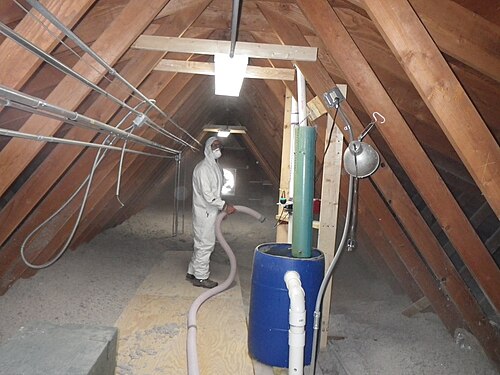
DIY is realistic when the loft or attic is empty, easy to access and free of wiring and moisture problems. In the UK, mineral wool rolls for a semi-detached home cost roughly £200 to £400 in materials. Hire a pro when the space holds a water tank, downlights, a bathroom fan vent, or any sign of damp, and always in the US if ducts or an air handler sit in the attic, because the air sealing around them is where much of the saving lives. Never squash insulation under storage boards: raise the boards on legs or battens so the full depth survives.

Frequently asked questions

How much insulation do I need?

In the UK, 270mm of mineral wool. In the US, the DOE target ranges from R-30 in the warmest zones to R-60 in the coldest, with R-38 to R-49 right for most homes. In Germany, the GEG standard for the top floor ceiling is a U-value of 0.24 W/m²K or better.

Is loft insulation worth it if I already have some?

If you have less than about 100mm, yes, the payback is strong. If you already have 120mm or more, topping up saves little each year, so treat it as a comfort upgrade or bundle it with other loft work.

Does insulation help in summer?

Yes. The same layer that keeps heat in during winter slows heat coming through the roof on hot days, which is why insulated top floor rooms overheat less.

Sources: Energy Saving Trust loft insulation estimates, July 2026; Angi and HomeAdvisor attic insulation cost data 2026; US Department of Energy insulation guidance; US EPA Energy Star sealing and insulating estimates; German GEG and BEG funding rules. Figures checked October 2026.

H
HomeBillGuide Research Team

We compare official price data from the US, UK and EU, and check every figure against at least two sources before we publish. Prices are researched estimates, so always get local quotes before you hire.

Planning an upgrade?

Check the real cost first, then get at least three quotes. Our cost guides are updated whenever prices change.

Browse Cost Guides
Home › Energy Saving · Heating › The Cheapest Way to Heat a Home in 2026 (Every Fuel Ranked)
Energy Saving, Heating

The Cheapest Way to Heat a Home in 2026 (Every Fuel Ranked)

The cheapest way to heat a home is not the system with the cheapest fuel. It is the one that delivers a unit of heat for the least money, after efficiency is counted. A kilowatt hour of electricity looks expensive until a heat pump turns it into three kilowatt hours of warmth. Here is the full ranking for 2026, worked out for the UK, the US and Germany from official price data.

The Cheapest Way to Heat a Home in 2026 (Every Fuel Ranked)

Photo: Edgewise, Wikimedia Commons

The only number that matters: cost per unit of heat

Every heating system buys energy in one form and delivers heat in another. Dividing the fuel price by the system's efficiency gives the true cost per kWh of heat. Heat pumps are rated by seasonal performance factor (SPF) or COP, meaning how many units of heat come out per unit of electricity in. Boilers lose 5 to 15 percent of their fuel up the flue. Direct electric heating is 100 percent efficient and still the most expensive option almost everywhere, because the fuel itself costs so much.

United Kingdom: cost per kWh of heat (October 2026)

Heating methodCost per kWh of heatNotes
Wood pellets, bought in bulkabout 4 to 5pCheapest fuel, but needs storage space and a pellet boiler or stove
Heat pump on a heat pump tariffabout 6.5pAt roughly 18.7p per kWh and SPF 2.9
Gas boilerabout 8.9pPrice cap gas at 7.97p per kWh, 90 percent efficiency
Heat pump on a standard tariffabout 9.1pPrice cap electricity at 26.32p per kWh, SPF 2.9
Heating oil boilerabout 10.5pPrice swings with the oil market
Log stoveabout 10.7pCheaper if you cut and season your own wood
Direct electric heaters26.3pThe most expensive way to heat a whole home

United States: cost per kWh of heat (winter 2026/27)

Heating methodCost per kWh of heatNotes
Gas furnaceabout 4.7 centsGas at $13.44 per thousand cubic feet (EIA), 95 percent AFUE
Heat pumpabout 5 to 6 centsElectricity at 18.23 cents per kWh, COP 3.0 to 3.5
Wood pelletsabout 6 to 7 centsAround $300 per ton, needs a pellet stove
Propane furnaceabout 11 centsPropane at $2.52 per gallon (EIA winter forecast)
Heating oil boilerabout 15 centsOil at $5.26 per gallon (EIA winter forecast)
Electric resistanceabout 18 centsBaseboards and electric furnaces

The EIA's winter outlook shows what this means in practice: this winter it expects the average gas heated home to spend about $640 on heat, against about $1,246 for propane, $1,196 for electric heating and $2,115 for oil.

Germany: cost per kWh of heat (2026)

Heating methodCost per kWh of heatNotes
Wood pelletsabout 7 centsAround €300 per tonne
Heat pumpabout 11 to 12 centsElectricity 34.9 to 38.0 cents per kWh, SPF 3.2
Gas boilerabout 12.9 centsGas at 11.58 cents per kWh (Destatis), 90 percent efficiency, and the CO2 price is rising
Direct electric heatingabout 38 centsNever a sensible whole home choice

The ranking, in plain words

If you have mains gas in the US, a modern gas furnace is still the cheapest mainstream way to heat, with a heat pump close behind and ahead in mild climates. In the UK, a heat pump on the right tariff beats gas, and anything beats oil and direct electric. In Germany, the heat pump already beats the gas boiler on running cost at average prices, before grants are counted. Everywhere, wood pellets are the cheapest fuel per unit of heat if you have the storage and do not mind the work, and direct electric heating is the most expensive option by a wide margin.

Cheap fuel is not the whole story

Three warnings before you rip anything out. First, installation cost: a pellet boiler or heat pump costs far more to install than a like for like boiler swap, so the running cost saving has to be weighed over ten years, not one winter. Second, tariffs matter as much as technology: the same UK heat pump costs 9.1p or 6.5p per unit of heat depending purely on the electricity tariff. Third, the cheapest heating upgrade of all is needing less heat. Loft insulation, draught proofing and thermostatic radiator valves cut the bill of every system on this page, and they are the first spend in almost every case.

Frequently asked questions

What is the cheapest way to heat a home in 2026?

Per unit of heat, bulk wood pellets are cheapest in the UK and Germany, and natural gas is cheapest in the US. Among mainstream whole home systems, a heat pump on a good tariff is the cheapest option in the UK and Germany, and a gas furnace in most of the US.

Is electric heating ever the cheapest?

Only through a heat pump, or with off peak storage heating in a small, well insulated flat. Direct electric radiators and fan heaters cost roughly three times more per unit of heat than a gas boiler in the UK and the US.

Why is a heat pump cheaper than the electricity it uses?

It does not convert electricity into heat, it uses electricity to move heat from the outside air into your home. Measured over a season, real systems deliver about 2.8 to 3.4 units of heat per unit of electricity, which divides the electricity price by the same factor.

Sources: Ofgem price cap October to December 2026; US EIA Winter Fuels Outlook, October 2026; Destatis household energy prices, first half 2026; Nottingham Energy Partnership fuel cost comparison; Fraunhofer ISE heat pump field study 2025. Figures checked October 2026.

H
HomeBillGuide Research Team

We compare official price data from the US, UK and EU, and check every figure against at least two sources before we publish. Prices are researched estimates, so always get local quotes before you hire.

Planning an upgrade?

Check the real cost first, then get at least three quotes. Our cost guides are updated whenever prices change.

Browse Cost Guides
Home › Cost Guides · Heat Pumps · Heating › New Boiler vs Heat Pump: The 10 Year Cost Compared (UK, US, Germany)
Cost Guides, Heat Pumps, Heating

New Boiler vs Heat Pump: The 10 Year Cost Compared (UK, US, Germany)

A new gas boiler is cheaper to buy. A heat pump is cheaper to run in some homes, more expensive in others, and the grant changes everything. So which one actually costs less over ten years? We ran the numbers for the UK, Germany and the US using October 2026 energy prices, real measured heat pump efficiency, and typical installed costs. The honest answer is closer than most installers admit, and it depends on three things: your tariff, your climate, and your grant.

New Boiler vs Heat Pump: The 10 Year Cost Compared (UK, US, Germany)

Photo: Wikimedia Commons

The short answer

In the UK, a heat pump on a standard electricity tariff is still slightly more expensive over ten years than a new gas boiler. On a dedicated heat pump tariff, it becomes the cheapest option. In Germany, generous KfW funding makes the heat pump the long term winner for most homes. In the US, a gas furnace is still the cheapest choice in cold states with cheap gas, while a heat pump wins in mild climates and in any home currently burning oil or propane.

How we calculated this

We compare the full ten year cost: installation, fuel or electricity, and annual servicing. For the UK and Germany we use a typical three bedroom home that needs about 12,000 kWh of heat a year. For the US we use a colder climate home needing 30,000 kWh of heat a year. Prices are October 2026 figures: the Ofgem price cap (electricity 26.32p per kWh, gas 7.97p per kWh), German Destatis averages for the first half of 2026 (electricity 37.97 cents, gas 11.58 cents), and the US EIA winter outlook (electricity 18.23 cents per kWh, natural gas $13.44 per thousand cubic feet). Heat pump efficiency uses a seasonal performance factor of 2.9 in the UK, close to the 2.78 median measured in the government's Electrification of Heat trial, and 3.2 in Germany, in line with Fraunhofer ISE field results. A modern gas boiler is taken at 90 to 95 percent efficiency.

United Kingdom: the tariff decides

New gas boilerHeat pump, standard tariffHeat pump, heat pump tariff
Installed cost after grant£3,500£5,400£5,400
Running cost per year£1,063£1,089£774
Servicing per year£100£100£100
Total over 10 years£15,130£17,290£14,140

The installed cost for the heat pump uses the official median of £12,900 before the £7,500 Boiler Upgrade Scheme grant. On the standard price cap tariff the heat pump roughly matches the boiler on running cost but cannot recover its higher price within ten years. On a heat pump tariff at around 18.7p per kWh, the same system saves about £290 a year against gas and ends the decade roughly £1,000 ahead. If your home is off the gas grid and burns oil or LPG, the heat pump wins on any tariff.

Germany: the grant decides

New gas boilerHeat pump, 50% KfW fundingHeat pump, 70% KfW funding
Installed cost after funding€10,000€16,000€10,400
Running cost per year€1,544€1,424€1,424
Total over 10 years€25,440€30,240€24,640

A typical air to water heat pump costs €25,000 to €35,000 installed in Germany before funding. KfW programme 458 covers 30 percent as a base grant, rising to a 70 percent cap for eligible households, on eligible costs up to €28,000. At 50 percent funding the heat pump is already cheaper to run than gas, thanks to German electricity being about 3.3 times the gas price while the heat pump delivers about 3.2 units of heat per unit of electricity. At 70 percent funding it also wins on total ten year cost. Two things push further in the heat pump's favour after year ten: the national CO2 price on gas (a €55 to €65 per tonne corridor in 2026, adding about 1.1 cents per kWh and set to rise) and the fact that a boiler bought today will likely need replacing around year 12 to 15.

United States: the climate decides

Gas furnace (95% AFUE)Heat pump (COP 3.5)Heat pump, mild climate (COP 4.0)
Typical installed cost$5,400$6,087$6,087
Running cost per year$1,396$1,563$1,367
Total over 10 years$19,360$21,717$19,757

US gas is cheap and electricity is relatively expensive in cold states, so a modern gas furnace still wins the ten year maths in a cold climate home. The picture flips in the South and on the coasts, where a heat pump spends most of the winter at a COP near 4 and also replaces the air conditioner. The federal Section 25C credit ended for equipment installed after 31 December 2025, but state HEAR rebates of up to $8,000 for income qualified households cut the heat pump's installed cost sharply where programmes have launched. Against oil and propane there is no contest: the EIA expects oil heated homes to spend about $2,115 on heat this winter, against $640 for gas heated homes, and a heat pump lands far closer to the gas figure.

What these tables leave out

Carbon. A heat pump cuts a typical home's heating emissions by roughly half today, and the cut grows as grids add renewables. Comfort and risk matter too: gas prices spiked far more violently than electricity prices in the last crisis, and a boiler locks you into that market for 12 to 15 years. Finally, insulation changes every number above. A heat pump in a well insulated home runs at a higher efficiency and a lower flow temperature, which is why every serious installer will tell you to insulate first.

So, boiler or heat pump?

Choose a heat pump if you qualify for a big grant, if you can use a heat pump or off peak tariff, if your home is reasonably insulated, or if you are replacing oil, LPG or direct electric heating. Choose a new gas boiler if you are in a cold US state with cheap gas, in a hard to insulate UK home on a standard tariff with no grant funded alternative, or if the boiler is a distress purchase in midwinter and the budget simply is not there. Either way, get at least three quotes: the spread between installers is often larger than the gap between the two technologies.

Frequently asked questions

Is a heat pump cheaper to run than a gas boiler in 2026?

It depends on the gap between electricity and gas prices where you live. In Germany, yes, at average 2026 prices. In the UK, only on a heat pump or time of use tariff. In most of the US, a gas furnace is still a little cheaper to run in cold climates, and a heat pump is cheaper in mild ones.

How long does a heat pump take to pay back?

With the UK grant and a heat pump tariff, the higher upfront cost is recovered inside the ten year window in our example. In Germany at 70 percent KfW funding the heat pump is ahead before year ten. Without grants or special tariffs, payback against a cheap gas boiler can exceed the system's first decade, which is why the grant and tariff checks come first.

What efficiency figure should I believe for a heat pump?

Use measured seasonal figures, not the laboratory maximum. The UK Electrification of Heat trial measured a median seasonal performance factor of 2.78 across hundreds of real homes, and Fraunhofer ISE measured 3.4 for air source systems in German homes in 2025. Design and insulation quality explain most of the spread.

Sources: Ofgem price cap October to December 2026; Destatis household energy prices, first half 2026; US EIA Winter Fuels Outlook, October 2026; DESNZ Boiler Upgrade Scheme statistics; KfW programme 458; Electrification of Heat trial; Fraunhofer ISE heat pump field study 2025. Figures checked October 2026.

H
HomeBillGuide Research Team

We compare official price data from the US, UK and EU, and check every figure against at least two sources before we publish. Prices are researched estimates, so always get local quotes before you hire.

Planning an upgrade?

Check the real cost first, then get at least three quotes. Our cost guides are updated whenever prices change.

Browse Cost Guides
Home › Cost Guides · Heat Pumps · Heating › Heat Pump Cost in 2026: US, UK and Germany Compared (With Grants)
Cost Guides, Heat Pumps, Heating

Heat Pump Cost in 2026: US, UK and Germany Compared (With Grants)

A heat pump is the most talked-about home upgrade of 2026, and the first question every homeowner asks is the same: how much does it actually cost? The honest answer depends heavily on where you live. Installation prices, grants, and running costs are completely different in the United States, the United Kingdom, and Germany, so we have put the three side by side, using the latest published data.

Heat Pump Cost in 2026: US, UK and Germany Compared (With Grants)

Photo: Tony Webster, via Wikimedia Commons (CC BY 4.0)

Quick answer (prices checked 23 October 2026):

CountryTypical installed cost (air source)Main grant in 2026Typical cost after grant
United States$4,236 to $7,942 (average $6,087)No federal credit; state and utility rebatesVaries by state
United Kingdom£11,000 to £15,600 (median £12,908)£7,500 Boiler Upgrade SchemeAround £5,400 (median)
Germany€25,000 to €35,000KfW grant of 30% to 70%From around €9,000 in the best case

United States: cheaper hardware, no more federal tax credit

American installation costs are the lowest of the three countries, mainly because ducted air-source systems are a mature, competitive market. Angi's 2026 cost data, based on real homeowner projects, puts a typical installation between $4,236 and $7,942, with an average of $6,087.

TypeTypical installed cost
Mini-split (ductless)$1,300 to $8,000
Air source, ducted$4,500 to $8,000
Hybrid (with furnace)$2,500 to $10,000
Geothermal (ground source)$6,000 to $20,000

The big change for 2026 is incentives. The federal Energy Efficient Home Improvement Credit (Section 25C), which returned up to $2,000 for a qualifying heat pump, ended for equipment installed after 31 December 2025. Many websites still quote it, so check the date on anything you read. What remains in 2026:

  • State and utility rebates, commonly a few hundred to a few thousand dollars depending on your state and electricity company.
  • The federal HEAR rebate programme for income-qualified households, worth up to $8,000 at the point of sale in states that have launched it.
  • Manufacturer promotions, which are seasonal and worth asking installers about directly.

United Kingdom: high sticker price, big grant

UK installations cost more than American ones. Official Boiler Upgrade Scheme statistics put the middle half of real installations at £11,000 to £15,600, with a median of £12,908. The Energy Saving Trust's typical figure of around £12,000 agrees with that.

The reason UK buyers still go ahead is the grant. In England and Wales, the Boiler Upgrade Scheme pays £7,500 towards an air source or ground source heat pump, applied by your MCS-certified installer, so the median homeowner pays about £5,400. Homes off the gas grid replacing oil or LPG heating can get £9,000 until March 2027. Heat pump installations are also zero-rated for VAT until 31 March 2027. Scotland runs a separate scheme through Home Energy Scotland.

Germany: highest prices, most generous funding

Germany is the mirror image of the US: the highest installation prices in this comparison, and by far the most generous support. A complete air-to-water heat pump installation for a typical single-family house runs €25,000 to €35,000 before funding.

The KfW grant (programme 458) starts at 30% for everyone and rises with bonuses for replacing an old fossil-fuel system quickly and for lower household incomes, up to a 70% cap (80% in special low-income cases). The grant is calculated on eligible costs capped at €28,000 for the first residential unit. One rule catches people out: the grant application must be approved before the installation contract takes effect, or the funding is lost.

What about running costs?

A heat pump moves heat instead of making it, so it typically delivers 3 to 4 units of heat for every unit of electricity. Fraunhofer ISE's 2025 field test of real German homes measured an average seasonal performance factor of 3.4 for air-source heat pumps and 4.3 for ground-source systems. Whether that beats gas on your bill depends on your local electricity-to-gas price ratio, which is favourable in much of Germany and on heat pump tariffs in the UK, and varies widely by state in the US.

What pushes the price up or down

  • System size and type: ground source can cost two to three times an air source system.
  • Radiators and pipework: older homes often need larger radiators, a common extra in the UK and Germany.
  • Electrical work: a panel upgrade in the US or a new connection in Europe adds real money.
  • Insulation: a poorly insulated home needs a bigger unit and runs it harder. Fixing the fabric first shrinks both bills.
  • Where you live: labour rates in major cities can add 20% or more in all three countries.

So, is a heat pump worth it in 2026?

In the UK, the grant has closed most of the gap with a new gas boiler, so the answer is yes for many homes, especially off the gas grid. In Germany, the KfW funding makes the maths work for most owner-occupiers who apply in time. In the US, the end of the federal credit means the decision now rests on your state rebates and your electricity price; where both are favourable, a heat pump is still usually the cheapest way to heat and cool with one system.

Frequently asked questions

How long does installation take? A straightforward air source installation takes 2 to 4 days in most homes. Ground source systems take longer because of the groundworks.

Do heat pumps work in cold weather? Yes. Modern cold-climate models keep working well below freezing, and the Fraunhofer field results above come from real homes in German winters, not a laboratory.

Can I claim the US federal credit if I install in 2026? No. The Section 25C credit only covers equipment placed in service on or before 31 December 2025. Installations from 2025 can still be claimed on a 2025 tax return.

Which country is cheapest overall? On hardware and installation, the United States. After grants, Germany's best-case funding can bring the homeowner's share lowest of all, but typical German prices before funding are the highest.

Sources: Angi heat pump cost data (2026); UK Department for Energy Security and Net Zero Boiler Upgrade Scheme statistics; Energy Saving Trust; GOV.UK and Ofgem scheme guidance; KfW programme 458; IRS guidance on the Section 25C credit; Fraunhofer ISE heat pump field test (2025). Prices checked 23 October 2026. Prices are typical ranges, not quotes; always get itemised quotes from certified local installers before deciding.

H
HomeBillGuide Research Team

We compare official price data from the US, UK and EU, and check every figure against at least two sources before we publish. Prices are researched estimates, so always get local quotes before you hire.

Planning an upgrade?

Check the real cost first, then get at least three quotes. Our cost guides are updated whenever prices change.

Browse Cost Guides
Powered by Blogger.

Blog Archive