Every heating comparison you read online uses somebody else's house. This page works the other way round: it gives you the price of heat itself in the UK, the US and Germany, from official unit prices, so you can calculate what each fuel would cost in your home, with your usage. All you need is last year's energy bill.
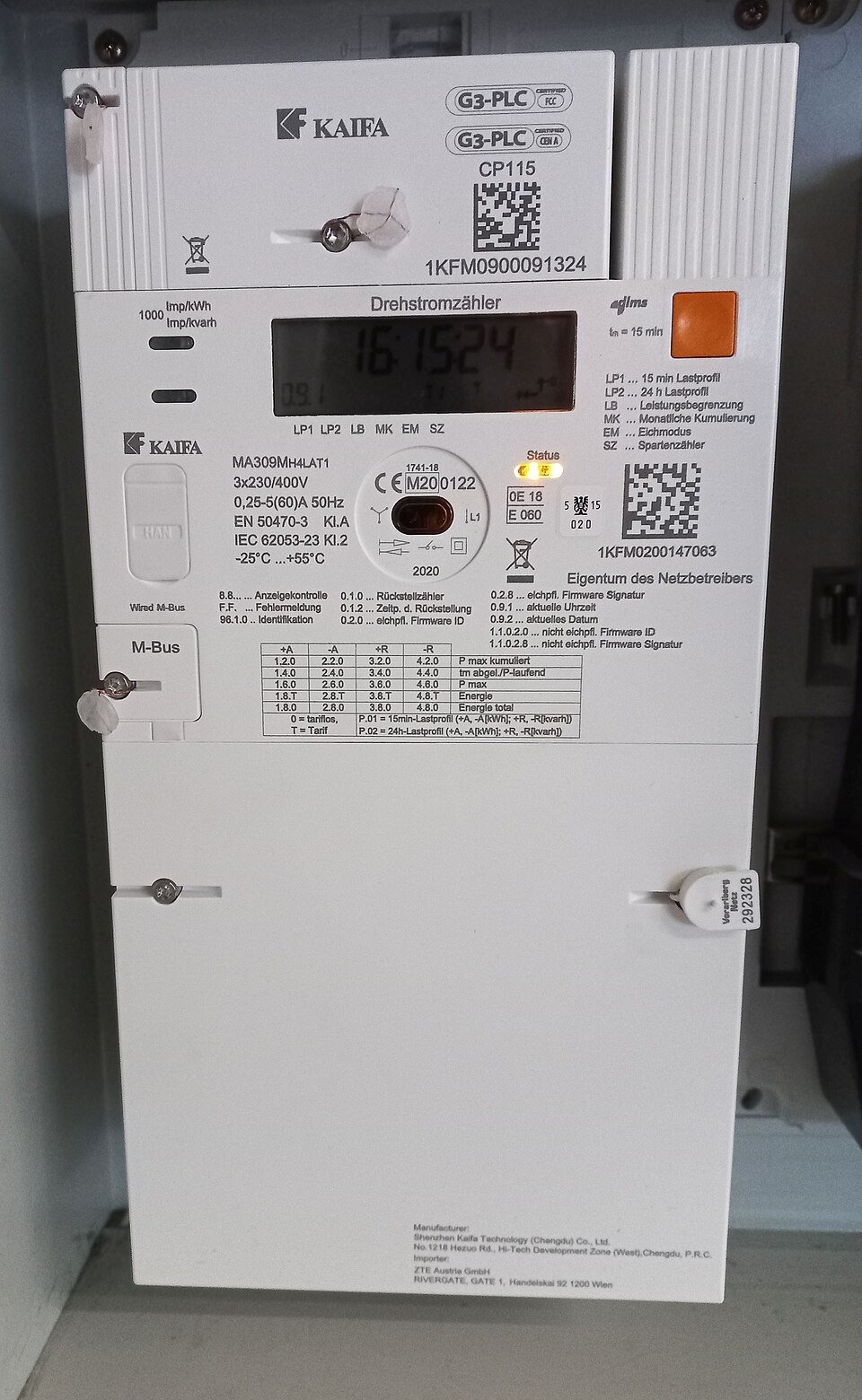
Photo: Asurnipal, via Wikimedia Commons (CC BY-SA 4.0)
The one idea behind the calculator: fuels are sold in different units, but your home needs one thing, heat, measured in kWh. Divide each fuel's price by how much heat it actually delivers, after efficiency losses, and every option becomes directly comparable.
United Kingdom: the price of 1,000 kWh of heat
Using the Ofgem price cap for October to December 2026 (electricity 26.32p per kWh, gas 7.97p per kWh), a boiler efficiency of 90 percent and a realistic heat pump SPF of 2.9:
| Heating system | Cost per 1,000 kWh of heat | Year at 8,000 kWh | Year at 12,000 kWh | Year at 20,000 kWh |
|---|---|---|---|---|
| Gas boiler | £89 | £709 | £1,063 | £1,772 |
| Heat pump (SPF 2.9) | £91 | £726 | £1,089 | £1,816 |
| Direct electric (panel or storage heaters) | £263 | £2,106 | £3,158 | £5,264 |
The UK result surprises people: on standard tariffs a heat pump and a gas boiler cost almost the same to run, because electricity costs about 3.3 times gas per kWh and a good heat pump is about 3 times as efficient. Specialist heat pump tariffs change the answer, as our heat pump running cost guide shows month by month.
Germany: heat pumps win on running cost
Using Destatis average household prices for the first half of 2026 (electricity 37.97 cents per kWh, gas 11.58 cents), a 90 percent boiler and an SPF of 3.2, which German field studies support:
| Heating system | Cost per 1,000 kWh of heat | Year at 8,000 kWh | Year at 12,000 kWh | Year at 20,000 kWh |
|---|---|---|---|---|
| Gas boiler | €129 | €1,030 | €1,544 | €2,574 |
| Heat pump (SPF 3.2) | €119 | €950 | €1,424 | €2,374 |
| Direct electric | €380 | €3,038 | €4,556 | €7,594 |
On a newer contract (electricity 34.87 cents, gas 9.66 cents), gas falls to about €107 and the heat pump to about €109 per 1,000 kWh of heat, almost level. Germany's price gap between electricity and gas is narrower than Britain's, which is why heat pumps there save money even before the generous KfW grants we covered in the heat pump cost guide.
United States: cheap gas, expensive oil
Using the EIA's winter outlook prices (electricity 18.23 cents per kWh, natural gas $13.44 per Mcf, heating oil $5.26 per gallon, propane $2.52 per gallon), a 90 percent furnace and a heat pump COP of 3.0:
| Heating system | Cost per 1,000 kWh of heat | Year at 20,000 kWh | Year at 30,000 kWh | Year at 45,000 kWh |
|---|---|---|---|---|
| Gas furnace | $49 | $984 | $1,476 | $2,214 |
| Heat pump (COP 3.0) | $61 | $1,216 | $1,823 | $2,735 |
| Propane furnace | $104 | $2,088 | $3,132 | $4,698 |
| Oil furnace | $152 | $3,048 | $4,572 | $6,858 |
| Electric resistance | $182 | $3,646 | $5,469 | $8,204 |
The American ranking is the mirror image of Europe's: pipeline gas is so cheap that a furnace wins on running cost in most states, while homes stuck with oil or propane pay two to three times more and gain the most from a heat pump. Our ranking of every heating fuel by cost goes deeper on why.
Calculate it for your own home in four steps
- Step 1: find your heat demand. Take last year's heating fuel use from your bill. Gas is already in kWh in the UK and Germany; in the US, multiply Mcf by 293, gallons of oil by 40.6, or gallons of propane by 26.8 to get kWh of fuel.
- Step 2: turn fuel into heat. Multiply by your system's efficiency: 0.9 for a modern boiler or furnace, 0.8 for an older one. 11,500 kWh of gas through a 90 percent boiler delivered 10,350 kWh of heat.
- Step 3: price the alternatives. Divide that heat figure by 1,000 and multiply by the per 1,000 kWh cost in the tables above for each system you are considering. For a heat pump, the table already includes its efficiency.
- Step 4: sanity check the seasons. Heating is not spread evenly: expect roughly 15 percent of the yearly cost in the coldest month alone, and almost nothing in summer.
Worked example: the UK home above, using 11,500 kWh of gas, pays about £917 a year for heating fuel. The same 10,350 kWh of heat from a heat pump at SPF 2.9 needs 3,569 kWh of electricity, about £939 on the standard tariff, or roughly £714 on a heat pump tariff at an effective 20p per kWh. Close on price, and the gap is decided by the tariff, not the machine.
Before you switch: the six numbers to gather
- Your last 12 months of heating fuel use, in kWh if possible.
- Your current unit price and standing charge (or your US price per Mcf or gallon).
- Your boiler or furnace's age and rated efficiency.
- Whether your radiators can run at a lower flow temperature, which heat pumps need for a good SPF.
- Your insulation state, starting with the loft or attic; it shrinks every figure in these tables.
- The tariffs open to you, especially heat pump tariffs in the UK and new contract prices in Germany.
With those six numbers and the tables above, you can price any heating decision in about ten minutes, before an installer quotes you anything. If you are weighing a full switch, our 10 year boiler vs heat pump comparison adds installation, servicing and lifespan to the same maths.
Frequently asked questions
Why does the same heat pump cost more to run in one country than another? Because the electricity to gas price ratio differs. Heat pumps multiply each unit of electricity into about three units of heat, so they win wherever electricity costs less than about three times the gas price per kWh.
Do these figures include standing charges and fixed fees? No. They compare the fuel cost of heat itself, which is the part that changes when you switch systems. Standing charges stay roughly the same either way, except when you remove a gas connection entirely.
How accurate is this for my home? The method is exact; the inputs are estimates. Your real SPF, your tariff and a colder or warmer winter will move the result, which is why we show the workings instead of a single magic number.
Sources: Ofgem price cap October to December 2026; Destatis household energy prices, first half 2026; US Energy Information Administration winter fuels outlook; Fraunhofer ISE field study SPF figures. Prices checked 23 October 2026. Worked examples use the stated efficiencies; measure your own home before making a final decision.